

When it comes to managing and eliminating pests in your home, understanding professional strategies and expert techniques can make all the difference. Pests not only cause damage to your property but can also pose significant health risks. Below, we cover actionable insights and proven solutions that can help you maintain a pest-free home environment.
Identify Common Household Pests
- Rodents (mice and rats): Known for gnawing wires, contaminating food, and spreading diseases such as hantavirus.
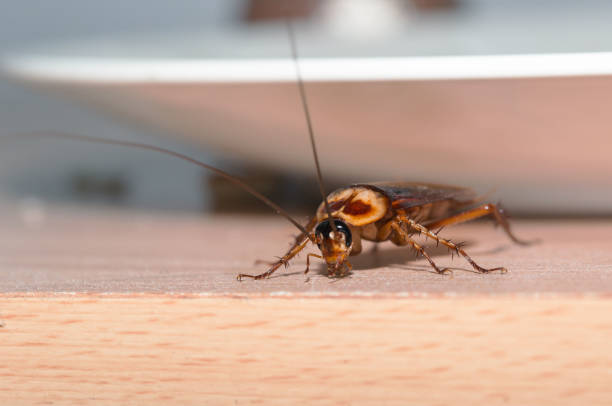
- Cockroaches: Resilient insects that thrive in damp, dark spaces. They carry bacteria like E.coli and salmonella.
- Ants: Often invade kitchens in search of food sources, especially sugary or greasy substances.
- Termites: Cause structural damage by feeding on wood inside walls or foundations.
- Bed Bugs: Infest furniture and mattresses, leading to itchy bites and disrupted sleep cycles.
Preventative Measures for a Pest-Free Home
- Seal Entry Points: Inspect windows, doors, vents, and walls for cracks or gaps where pests can enter your home.
- Maintain Cleanliness: Regularly vacuum carpets, clean kitchen surfaces, and take out trash promptly to eliminate potential food sources.
- Proper Storage of Food: Use airtight containers for pantry items such as flour, cereal, and pet food.
- Reduce Clutter: Keep storage areas tidy to avoid creating hiding spots for pests like spiders or cockroaches.
- Control Moisture Levels: Fix leaky taps or pipes that create damp environments ideal for pests like silverfish or termites.
Professional vs DIY Solutions
| Approach | Benefits | Drawbacks |
| DIY Pest Control | Affordable; uses over-the-counter treatments | May not be effective against severe infestations; safety risks if chemicals are misused |
| Professional Help | Access to specialized tools/knowledge; long-term effectiveness | Higher upfront costs |
Recommended Professional Methods
- Chemical Treatment Applications: Professionals use EPA-approved pesticides tailored specifically for the type of infestation without endangering occupants’ health.
- Integrated Pest Management (IPM): Combines inspections with customized treatments while focusing on minimizing environmental impact.
- Heat Treatments: Particularly effective against bed bugs; involves raising room temperatures to eliminate pests swiftly.
Keeping Long-Term Results
- Schedule regular inspections with pest control experts.
- Replace damaged wood affected by termite colonies.
- Invest in professional-grade traps if rodents persist.
By following these expert strategies along with professional interventions when necessary, homeowners can protect their properties effectively while ensuring a healthy indoor environment year-round.
Effective Strategies Used by Exterminators in Florida to Tackle the Hardest Pests
Some pests are notoriously difficult to eliminate due to their biology, behavior, and sheer resilience. These pests often require an integrated approach for successful eradication. Below, we delve into some of the hardest pests to get rid of and provide actionable strategies for combating them effectively.
1. Bed Bugs
Why They’re Hard to Eliminate: – Bed bugs are incredibly small and adept at hiding in cracks, crevices, and furniture. – They reproduce quickly, with a single female laying up to 500 eggs in her lifetime. – Many over-the-counter pesticides have limited effectiveness against bed bugs.
Effective Solutions: – Heat Treatment: Professional pest control companies often use heat treatments that raise room temperatures above 120°F, which is lethal to bed bugs at all life stages. – Vacuuming & Encasements: Regular vacuuming of mattresses and furniture can help reduce adult populations. Consider mattress encasements to prevent reinfestation. – Chemical Treatments: Use EPA-approved insecticides or hire professionals who specialize in using targeted chemical solutions.
2. Cockroaches
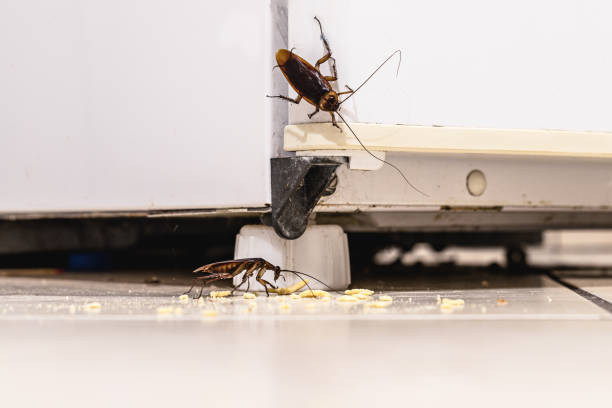
Why They’re Hard to Eliminate: – Cockroaches are highly resilient; they can survive without food for weeks and resist many common pesticides. – Their nocturnal nature makes them difficult to detect until the infestation becomes severe.
Effective Solutions: – Sanitation Is Key: Eliminate food sources by keeping your kitchen clean, sealing garbage bins, and storing food in airtight containers. – Gel Baits & Traps: Place gel baits near areas where cockroaches are active. Glue traps can also help monitor infestation levels. – Seal Entry Points: Use caulk or weather stripping around doors, windows, and cracks in walls.
3. Termites
Why They’re Hard to Eliminate: – Termites live within wood structures or underground tunnels, making them hard to detect until substantial damage has occurred. – Colonies can contain thousands or even millions of termites.
Regular monitoring is essential when dealing with termites since their activity may persist even after treatment.
4. Rodents
Why They’re Hard to Eliminate: – Rodents breed quickly; a pair of mice can produce hundreds of offspring annually. – They are intelligent enough to avoid traps once they’ve encountered them.
Effective Solutions: – Snap Traps vs Glue Traps: Snap traps kill rodents more humanely compared to glue traps but must be used strategically along rodent pathways. – Poison Baits (Cautiously): Use rodenticides only if absolutely necessary and keep them away from children or pets. – Exclusion Tactics: Seal exterior holes larger than 1/4 inch using steel wool or metal hardware cloth.
General Tips for Combating Persistent Pests
- Look for signs like droppings, chewed materials, shed skins (insects), or damage around wooden structures.
- Dispose of garbage properly and limit clutter where pests may hide or nest.
- Applying ineffective chemicals repeatedly may worsen infestations by causing resistance in pest populations.
By following these targeted strategies tailored for each pest type and staying proactive about prevention measures, you can minimize disruptions caused by stubborn infestations in your home environment while ensuring effective long-term management.
Effective Pest Removal Services in Florida: Tackling the Hardest Pests to Eliminate
Certain pests are notoriously difficult to eliminate due to their resilience, ability to adapt, and rapid reproduction rates. Understanding why these pests are so challenging and employing targeted strategies can help you address infestations more effectively.
The Hardest Pests to Eliminate
- Small, elusive insects that hide in cracks and crevices.
- Resistant to many over-the-counter insecticides.
- Can survive for months without feeding.
- Highly adaptable and fast breeders.
- Thrive in dark, warm spaces with access to food and water.
- Resistant to certain pesticides due to hardened exoskeletons.
- Silent destroyers that cause significant structural damage before detection.
- Colonies can house thousands or even millions of termites.
- Smart creatures that quickly learn to avoid traps or bait if improperly used.
- Chew through wood, wires, and even concrete, posing fire hazards.
- Jumping insects that spread quickly between pets, carpets, and furniture.
- Eggs can remain dormant for weeks before hatching.
Why These Pests Are Difficult
| Pest Type | Key Challenges | Required Efforts |
| Bed Bugs | High resistance & tiny hiding spots | Heat treatments, professional-grade sprays |
| Cockroaches | Rapid breeding & pesticide resistance | Integrated pest management (IPM) approach |
| Termites | Invisible activity until significant damage | Bait systems or fumigation |
| Rodents | High intelligence & avoidance behavior | Sealed entry points + effective trapping |
| Fleas | Dormant eggs & rapid infestation | Pet treatment + environmental cleaning |
Effective Ways To Combat Them
To tackle these persistent pests effectively, it’s crucial to adopt the right approach tailored for each type.
General Steps
- Identify the pest correctly through observation or professional inspection.
- Seal entry points like cracks in walls or gaps around doors.
- Maintain cleanliness by removing food sources such as crumbs and uncovered trash.
- Use appropriate control methods—whether DIY or professional solutions.
Tailored Solutions by Pest
- Use heat treatments; temperatures above 120°F can kill them at all life stages.
- Encase mattresses and box springs in protective covers.
- Regularly vacuum carpets, furniture seams, and baseboards.
- Eliminate moisture sources such as leaky pipes.
- Apply gel baits in areas where they frequent (kitchens and bathrooms).
- Invest in boric acid dust for hard-to-reach spaces.
- Place termite bait stations around your property’s perimeter.
- Treat wood with termiticides as a preventive measure.
- Schedule annual termite inspections by professionals.
- Use snap traps strategically along walls where rodents travel.
- Block access points with steel wool or caulk.
- Store food securely in metal or glass containers with tight lids.
- Wash pet bedding frequently at high temperatures.
- Vacuum daily during infestations; dispose of vacuum bags immediately.
- Apply insect growth regulators (IGRs) alongside flea sprays for complete lifecycle disruption.
When To Call a Professional
While some pests can be managed using DIY methods, others require expert intervention: – If an infestation persists despite attempts at control. – When dealing with termites or bed bugs due to their complexity. – If health risks from rodents or cockroach droppings arise.
Timely action combined with appropriate control measures can make even the toughest pest problems manageable over time while preventing future infestations from taking root.
The Hardest Pests to Eliminate and How a Florida Pest Control Service Can Help
When it comes to pests, some species are particularly persistent and challenging to eliminate. These pests not only survive under harsh conditions but also reproduce quickly, making infestations harder to control. Below, we’ll explore some of the most difficult pests to manage and provide actionable strategies for effectively addressing them.
Common Hard-to-Remove Pests
- Why They’re Difficult:
Cockroaches can thrive in almost any environment, reproduce rapidly, and develop resistance to pesticides over time. They hide in small cracks and crevices, making it tough to locate all hiding spots.- Ensure your home is thoroughly cleaned, especially kitchen counters, cabinets, and floors.
- Use gel baits in areas where cockroaches are active.
- Seal cracks and gaps around walls, baseboards, windows, and doors where they can enter or hide.
- Consider professional pest control if the infestation persists beyond DIY efforts.
- Why They’re Difficult:
Bed bugs are experts at hiding in furniture seams, mattress folds, and even electrical outlets. Their resilience comes from their ability to go months without feeding on blood while remaining hidden.- Wash bedding and clothing in hot water (over 120°F) regularly.
- Use a vacuum cleaner with strong suction power on mattresses, carpets, and upholstered furniture.
- Encase mattresses with bed bug-proof covers.
- If a severe infestation occurs, heat treatment by professionals is often the most effective solution.
- Why They’re Difficult:
Termites work quietly behind walls or beneath flooring until significant damage has been done. Colonies can number into the thousands or millions depending on the species. - How to Combat Them
- Why They’re Difficult:
Rodents are intelligent creatures capable of avoiding traps once they recognize danger patterns in their environment. - Steps include:
1) Using snap traps or electric traps along common travel paths marked by droppings or grease stains. 2) Blocking entry points with steel wool since rodents cannot chew through it. 3) Removing food debris frequently & storing consumables airtight containers .
- Why They’re Difficult:
Key Strategies for Combating Persistent Pests
- Regular Inspections: Pests such as termites might not appear visibly obvious until structural damage begins appearing Therefore hiring certified pest inspection every year provides peace-of mind early detection..
How to Choose the Best Pest Control Company for Effective Pest Elimination
When facing a pest infestation, homeowners often grapple with a key decision: whether to tackle the issue on their own through DIY pest control methods or hire professional pest control services. While each approach has its merits and limitations, understanding their differences can help you make an informed choice that saves time, money, and effort.
Advantages of DIY Pest Control
- DIY methods are typically perceived as more affordable upfront compared to hiring professionals. You only need to purchase specific products like sprays, traps, or baits.
- For minor infestations or preventive measures, DIY solutions can be sufficient without incurring high costs.
- You have the flexibility to address an issue at your own pace without needing to schedule appointments.
- Many pest control products are easily available in stores or online.
- If you’re concerned about harsh chemicals or prefer eco-friendly options, doing it yourself allows you to select products that align with your preferences.
Disadvantages of DIY Pest Control
- Household pests like termites, bed bugs, and cockroaches often require specialized treatments that go beyond surface-level measures.
- Without proper training, it’s easy to miss hidden nests or entry points, leading to recurring issues.
- Identifying the right treatment for specific pests can take considerable time. Additionally, applying these treatments effectively often requires extensive research and effort.
- Misusing pesticides or other chemicals can pose health risks to humans and pets.
- Incorrect applications may exacerbate infestations instead of eliminating them.
Benefits of Hiring Professional Pest Control Services
- Professionals are trained to identify the type of pest invading your home and develop customized treatment plans tailored to the severity of the infestation.
- Licensed pest control companies have access to industrial-grade equipment and treatments not typically available for retail purchase.
- They employ preventive measures like sealing entry points or treating unseen areas where pests might breed.
- Professionals can quickly diagnose issues and provide treatments that deliver lasting results.
- Many professional companies offer guarantees or follow-up visits if pests return within a specified period.
Limitations of Professional Services
- Hiring professionals is significantly more expensive than attempting DIY methods initially.
- Homeowners may need to work around the availability of technicians when booking services.
Comparing Costs: A Simple Breakdown
| Aspect | DIY Approach | Professional Services |
| Cost | Low (e.g., $20-$100 per treatment) | Moderate-High (e.g., $300-$500+ per session) |
| Effectiveness | Limited for severe infestations | High due to specialized techniques |
| Time Investment | High (research + application time) | Low (handled by experts) |
| Safety | Riskier if improperly handled | Safer due to regulated practices |
Key Considerations When Choosing Between DIY vs Professional Help
- Assess the severity of the infestation: Small-scale problems might be manageable through DIY efforts, but extensive infestations usually require professional intervention.
- Evaluate long-term costs: While DIY seems cheaper initially, recurring infestations could lead to higher cumulative expenses over time compared to one-time comprehensive professional treatment.
- Consider safety concerns: If dealing with toxic chemicals is outside your comfort zone, professionals are better equipped with safe handling procedures.
Both approaches have their place depending on household needs; understanding these factors ensures you select the right solution tailored for your home’s condition while keeping efficiency and safety in mind.
Is DIY Pest Removal as Effective as Hiring a Professional?
When it comes to controlling pests in your home, the choice between DIY methods and hiring a professional can be challenging. Both approaches have their own benefits and limitations, and understanding these differences is crucial in making an informed decision.
Comparing DIY vs. Professional Pest Control
| Factors | DIY Pest Control | Professional Pest Control |
| Cost | Generally inexpensive; involves buying traps, sprays, or other materials. | Higher upfront cost due to service fees but often includes warranties. |
| Expertise | Relies on homeowner knowledge and available resources like online research or store-bought solutions. | Professionals are trained to handle specific pests with advanced techniques. |
| Effectiveness | May work for minor infestations or preventative measures but less effective for severe issues. | Highly effective at addressing large-scale or difficult infestations completely. |
| Time Commitment | Requires significant time and effort for application and monitoring. | Saves time as experts handle every step of the process efficiently. |
| Safety Concerns | Risk of improper chemical use or ineffective pest management techniques causing harm. | Professionals use approved chemicals safely with minimal risk to humans or pets. |
Advantages of DIY Pest Control
For certain situations, DIY pest control can be sufficient, especially if the infestation is small or you are dealing with common pests like ants, flies, or spiders.
- Lower cost: Home-based pest control products tend to be affordable and accessible.
- Immediate action: You can address minor problems without waiting for an appointment.
- Environmental control: You can choose eco-friendly options that align with your preferences.
- Using bait traps for ants and cockroaches.
- Sealing cracks in walls and doorframes to prevent pest entry.
- Applying diatomaceous earth around baseboards for insect prevention.
However, it’s essential to recognize that not all pests can be managed successfully with DIY methods.
Why Professional Services Excel at Complete Elimination
- Customized Solutions: Professionals assess your home’s unique needs before applying targeted treatments tailored to specific pests.
- Advanced Equipment: They use industrial-grade equipment not available over-the-counter.
- Long-Term Results: Services often include follow-up visits to ensure complete eradication.
- Safety Assurance: Experts adhere strictly to safety regulations when using potentially harmful chemicals or methods.
For particularly persistent pests — such as termites, bed bugs, rodents, or carpenter ants — professional intervention is often necessary.
When Should You Opt for Professional Help?
- The infestation persists despite multiple attempts at intervention.
- You are unsure about the type of pest causing damage.
- The issue involves dangerous species like wasps, venomous spiders, or rodents carrying diseases.
By weighing these factors carefully against your budget and circumstances, you can make an informed decision on whether DIY efforts suffice or professional assistance is needed for complete peace of mind in your home environment.
Specialized Pest Control Services Tailored to Combat Specific Infestations
When dealing with a pest infestation, not all solutions are created equal. Specialized pest control services focus on addressing specific types of pests with tailored strategies that ensure effective elimination and long-term prevention. These services are especially valuable for unique or persistent infestations that require expert knowledge and customized approaches.
Why Opt for Specialized Pest Control?
Certain pests exhibit behaviors, habitats, and life cycles that make them harder to control using generic treatments. Specialized pest control services are designed to cater to these unique challenges by:
– Using targeted treatments that minimize harm to non-target species or the environment.
– Applying expertise in specific pest behavior to maximize effectiveness.
– Offering long-term prevention plans suited for particular infestations.
Common Types of Specialized Pest Control Services
| Pest Type | Challenges | Common Solutions |
| Termites | Silent destroyers causing structural damage over time. | Baiting systems, barrier treatments, and wood treatment sprays. |
| Bed Bugs | Small size and resistance to many pesticides make eradication difficult. | Heat treatments, steam applications, and specialized insecticides. |
| Rodents | Quick reproduction rates and adaptability create persistent issues. | Trapping systems, exclusion techniques, and strategic baiting. |
| Cockroaches | High resilience due to their survival capabilities. | Gel baits, residual sprays, and environmental sanitation measures. |
| Ants (e.g., Carpenter Ants) | Colonies often remain hidden within walls or outdoors near structures. | Targeted bait stations combined with perimeter treatments. |
Benefits of Hiring Experts for Specific Pests
- Precision Diagnosis: Professionals can accurately identify the type of infestation by assessing signs like droppings, nesting locations, or feeding patterns.
- Specialized Tools & Treatments: From advanced thermal imaging cameras for termite detection to eco-friendly products tailored for sensitive environments like kitchens or nurseries.
- Safety Assurance: Some pests require chemical solutions that need professional handling to avoid risks to humans or pets.
- Saves Time: Homeowners attempting a DIY approach may spend weeks trying ineffective methods; specialists can resolve issues swiftly.
Factors to Consider When Choosing a Specialized Service
To ensure optimal results when selecting a specialized pest control provider:
– Verify credentials such as licenses and certifications in dealing with specific pests. – Ask about warranties or follow-up visits as part of their service package. – Inquire about eco-friendly options if sustainability is a priority. – Check client reviews for insights into their past success rates with similar infestations.
DIY vs Professional Approach in Niche Infestations
While DIY methods may work well for minor infestations of common pests like houseflies or sugar ants, complex cases benefit from specialized knowledge that only experts provide. For example: – Attempting termite removal without professional assistance could lead to incomplete extermination and further structural damage over time. – Improper handling of rodenticides during a rat problem might create risks for your household while failing to eliminate the core issue.
Specialized pest control services offer peace of mind by addressing infestations in an efficient manner while reducing potential health risks or property damage associated with untreated problems. By leveraging expert tools tailored specifically for the pest at hand, homeowners can ensure both immediate relief and long-term prevention strategies tailored precisely toward their needs.
- What to Expect from Pest Removal Services in Florida: A Complete Guide
- Why Your Pest Control Company Treatment Isn’t Stopping Bugs and What It Means
- Effective Florida Pest Control: What Smells Do Pests Hate and How to Repel Them
- Choosing the Right Pest Control Company and Understanding Modern Methods
- 9 Important Questions to Ask Before Hiring Florida Pest Control Services
- How to Tell If Your Business Needs Florida Pest Control Services Immediately
- Expert Tips and Professional Solutions for Effective Florida Pest Control
- Effective Pest Control Company Tips for Managing Common Pests That Require Fumigation
- How a Pest Control Company Can Help Prevent Major Infestations