


Pests are not just a nuisance; they can significantly harm your business, create health hazards, and damage your reputation. Identifying the signs of an infestation early is critical to maintaining a safe and clean environment for employees and clients. Below are key indicators that your business might need professional pest control services right away.
Common Pest Issues Addressed by Exterminators in Florida
- Rodents: Visible mice or rats scurrying across floors or countertops.
- Cockroaches: These pests often appear in bathrooms, kitchens, or storerooms.
- Flying Insects: Flies, mosquitoes, or even wasps hovering around food preparation areas.
Ignoring consistent sightings could allow pests to multiply quickly, making the infestation harder—and more expensive—to manage.
Protect Your Property from Damage with Pest Removal Services in Florida
| Type of Damage | Likely Culprit | Example of Evidence |
| Chewed wires or cables | Rodents | Gnaw marks on electrical cords |
| Gnawed packaging | Rodents/Insects | Torn food containers or product boxes |
| Fabric damage | Moths/Beetles | Holes in upholstery or carpets |
If such damages are recurring but without an apparent cause, it signals the presence of pests.
Identifying Strange Odors and Noises with a Reliable Florida Pest Control Service
Unusual smells and sounds can indicate a hidden infestation:
– Odors:
– A musty scent may point to cockroach infestations.
– Ammonia-like smells often signal heavy rodent activity.
– Noises:
– Scratching sounds behind walls frequently come from rodents at night.
– Buzzing could indicate the presence of stinging insects like bees or wasps nearby.
These hidden signs may not be immediately visible but should never be ignored as they can escalate quickly.
Identifying Signs of Infestations for Effective Pest Removal
Droppings and nests are key physical evidence that pests have made themselves comfortable in your business:
– Droppings: Small black pellets (rodents), tiny reddish-brown stains (bed bugs), or coffee-ground-like particles (termites).
– Nests: Rodents often build nests using shredded paper/cardboard found near food supplies.
Prompt cleaning combined with professional intervention helps prevent such evidence from becoming a recurring problem.
Why You Need Immediate Pest Control Services
Delaying professional intervention can worsen the situation:
1. Pests breed rapidly; what starts as a small issue can grow exponentially within weeks. 2. Client complaints due to visible infestations may lead to revenue loss. 3. Health risks associated with pests—like allergies from cockroach droppings or diseases carried by rodents—can endanger staff members’ well-being.
When these signs appear within your business premises, hiring licensed pest control experts ensures thorough inspections and effective solutions tailored to your specific needs.
How a Pest Control Company Can Help Address Frequent Pest Sightings During Business Hours
Frequent pest sightings during business hours can be detrimental to any organization, whether it’s a retail store, restaurant, warehouse, or office. If customers or clients notice pests on your premises, it can lead to reputational damage, loss of business, and even legal issues. Acting swiftly when such sightings occur is essential for maintaining a professional environment and ensuring compliance with health and safety regulations.
The Risks of Ignoring Frequent Pest Sightings
Failing to address visible pest activity can lead to several negative outcomes:
– Reputational Damage: Customers who encounter pests may leave negative reviews or spread unfavorable word-of-mouth about your business.
– Health Hazards: Many pests carry diseases or allergens that could put employees and customers at risk. For instance: – Rodents may carry hantavirus or salmonella. – Cockroaches can trigger asthma attacks in sensitive individuals. – Property Damage: Pests like rodents or termites can damage furniture, electrical wiring, and structures, resulting in costly repairs.
– Regulatory Fines: Businesses in industries like foodservice are subject to strict standards for cleanliness. Visible pests could result in fines, closures, or failed inspections.
Why You Should Take Immediate Action
Addressing pest sightings promptly minimizes the risks mentioned above and helps maintain a safe and hygienic environment for everyone on the premises. Early intervention often prevents small problems from becoming large infestations that are more difficult — and expensive — to resolve.
Steps to Take When Pests Are Spotted
If your staff frequently observes pests during working hours, consider the following steps:
1. Document Incidents: Record specific details about the sightings: – Type of pest (e.g., cockroach, rat) – Time of day – Location within the building 2. Inspect Key Areas: – Check entry points like doors and windows for gaps. – Inspect storage areas for signs of food contamination or nesting materials. 3. Train Your Team: – Provide training on identifying early signs of infestation. – Encourage employees to report sightings immediately.
Professional Help vs DIY Solutions
While DIY methods may seem appealing initially (such as traps or over-the-counter pesticides), they often fail to address the root cause of infestations. Professional pest control services provide a more comprehensive solution by identifying entry points, eliminating nests/colony bases, and offering preventative measures tailored specifically to your business needs.
| Comparison | DIY Solutions | Professional Services |
| Cost | Initially low but may escalate | Higher upfront but long-term savings |
| Effectiveness | Limited; often targets symptoms only | Thorough & addresses root causes |
| Safety | Risky if used improperly | Handled by trained experts |
| Preventative Measures | Rarely included | Standard part of service |
Long-Term Prevention Strategies
To prevent frequent pest sightings from recurring:
– Schedule regular professional inspections tailored to your industry needs. – Seal potential entry points around walls, windowsills, vents, etc. – Maintain proper sanitation practices: – Empty trash bins regularly. – Store food items securely in sealed containers. – Implement landscaping measures if applicable (e.g., keeping foliage trimmed away from buildings).
By promptly addressing frequent pest activity with both immediate actions and preventive strategies, you protect both your business’s reputation and overall operational efficiency.
Strange Odors, Unusual Sounds, and Other Hidden Indicators of a Pest Infestation
Pests can be stealthy invaders that often go unnoticed in a business environment until the damage becomes significant. However, strange odors, unusual sounds, and other subtle signs can serve as early indicators of an infestation. Addressing these issues promptly can prevent further damage to your property and protect the reputation of your business. Below are common hidden indicators of pest activity and how to identify them.
Strange Odors
- Musty or Mice-Like Smell: Rodents such as mice or rats often leave behind a pungent, musky odor caused by their droppings and urine trail. This smell tends to linger in confined spaces like storage rooms or basements.
- Sweet but Offensive Odor: Cockroaches emit an oily or musty odor when present in large numbers. Their pheromones create this distinct smell, which may worsen over time if untreated.
- Rotten or Decaying Smell: Dead pests trapped behind walls or inside ducts can emit a strong decomposing smell that is difficult to ignore.
Unusual Sounds
- Scratching or Rustling Noises: Rodents often make scratching noises as they move through walls, ceilings, or under the floorboards. These sounds are typically heard at night when they are most active.
- Buzzing Sounds: A persistent buzzing noise could indicate the presence of bees, wasps, hornets, or flies nesting nearby or within your building structure.
- Tapping Noises: Termites are known to create faint tapping sounds inside wooden structures as they chew through the material and communicate with one another via vibrations.
Other Hidden Indicators
| Indicator | Possible Pest Cause | Action Needed |
| Greasy Marks on Walls | Rats rubbing against surfaces | Inspect for entry points near walls |
| Chewed Wires/Materials | Rodents gnawing on office wiring | Conduct electrical inspections |
| Shed Skin Fragments | Bed bugs shedding exoskeletons | Arrange for professional assessment |
Why Prompt Action Matters
- Pests reproduce rapidly—what starts as a small issue can soon become unmanageable.
- Structural damage caused by pests like termites may endanger safety and incur high repair costs.
- Foul odors and visible infestation signs will likely deter clients or customers from doing business with you.
By remaining vigilant about strange odors, unusual sounds, and less obvious signs of pest intrusion in your workplace environment, you can address infestations before they cause long-term disruption to your operations. Working closely with professional pest control services ensures thorough inspection and remediation tailored specifically to your needs.
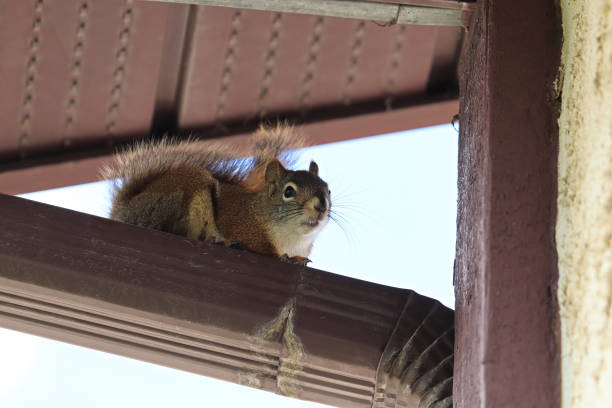
Strange Odors, Unusual Sounds, and Other Hidden Indicators of a Pest Infestation
When it comes to pest infestations in commercial spaces, some signs are not immediately visible. Strange odors, unusual sounds, and other subtle indicators often signal that pests may have already infiltrated your business. Recognizing these hidden indicators early can save both time and money while protecting your reputation.
Common Strange Odors Associated with Pest Infestations
- Musty or ammonia-like smell: This may suggest a rodent infestation. Rats and mice release urine that has a strong ammonia odor.
- Sweet or oily smell: Cockroaches emit an oily or moldy scent when present in large numbers.
- Rotten or decaying odor: A foul smell could indicate dead pests within walls or crawl spaces.
- Fruity smell: Some ant species, such as odorous house ants, produce a sweet odor when crushed.
If any of these scents are noticed in your business premises, professional pest control services should be contacted immediately for thorough inspection and removal.
Unusual Sounds That Pests Make
- Scratching noises: Rodents often scratch as they navigate walls or ceilings.
- Rustling sounds: This could indicate insects like cockroaches moving through insulation materials or papers.
- Thumping noises: Larger pests such as squirrels can create loud thuds while running across ceilings.
- Buzzing sounds: A buzzing noise might point to bees, wasps, or flies inside vents or chimneys.
Regular after-hours inspections can help identify these sounds when the environment is quieter.
Other Subtle Indicators Beyond Odors and Sounds
| Indicator | Possible Culprit |
| Chewed wiring | Rodents such as rats or mice |
| Grease marks along baseboards | Rodents leaving behind body oils |
| Small mud tubes on walls | Termites building access tunnels |
| Discolored patches on walls | Mold caused by moisture-loving pests like termites |
If you observe any of these signs within your business premises but fail to locate the source directly, it’s critical to seek professional intervention before the problem escalates.
Why Early Detection Matters
- Small infestations quickly grow into larger problems if left untreated.
- Certain pests (e.g., cockroaches) carry bacteria that contaminate workspaces.
- Ongoing issues may result in fines from health inspectors depending on your industry regulations.
By knowing what constitutes hidden pest activity—such as unusual odors and faint sounds—you’ll be better equipped to act promptly before infestations spiral out of control.
Recognizing Pest Droppings and Nesting Evidence to Prevent Larger Infestations
One of the most critical steps in maintaining a pest-free commercial space is the ability to identify signs of infestation early. Among these indicators, pest droppings and nesting evidence are some of the most telling. When left unnoticed or untreated, these signs can lead to larger infestations that pose serious risks to your business operations, reputation, and bottom line.
Common Types of Pest Droppings and What They Indicate
- Small, dark pellet-shaped droppings resembling rice grains (for mice) or small raisins (for rats).
- Typically found in hidden areas such as storage rooms, under furniture, or along walls.
- Tiny black or brown specks resembling ground pepper or coffee grounds.
- Frequently found near food storage areas, sinks, or dark crevices.
- Larger splatters with a white center and dark edges.
- Usually seen near entryways, windowsills, roofs, or outdoor seating areas.
- Drywood termites produce “frass,” which looks like tiny wood-colored pellets resembling sawdust.
- Found near wooden structures or furniture where they feed.
Each type of dropping not only confirms the presence of pests but also informs you about their species—critical information for targeted pest control efforts.
Identifying Nesting Evidence in Hidden Areas
- Rodents: Shredded paper, fabric scraps, insulation materials commonly used for building nests in dark corners such as basements or behind walls.
- Birds: Twigs, leaves, feathers often found on rooftops or ledges close to entry points into your building.
- Insects Like Ants and Termites: Mud tubes (termites) around foundations or mounds near cracks suggest active colonies nearby.
Preventative Actions Once Evidence Is Discovered
- Inspect All Surrounding Areas Thoroughly: Check adjacent spaces for additional evidence such as damaged materials, live pests, or other signs of activity.
- Seal Entry Points: Identify small openings around doors/windows/sinks/vents that pests might use to get inside and seal them properly with caulk/mesh screens. 3 .4
How Termite Swarm Season Signals the Urgent Need for Professional Pest Intervention
Termite swarm season is a critical time for property owners and businesses to remain vigilant against potential infestations. Swarming termites are not just an annoyance; their presence is often a clear signal that a termite colony is nearby, either within or near your structure. Understanding the nature of termite swarms and acting promptly can help protect your building from costly damages.
What Is Termite Swarm Season?
Termite swarms typically occur during specific times of the year, often in spring or early summer, depending on your location and the species involved. Swarming termites, also called alates, are reproductive members of the colony whose job is to establish new colonies once they leave their original nest. During this period, you may notice groups of winged insects flying in large numbers around light sources or congregating near windows.
Common Signs of Termite Swarms:
- Winged Insects Indoors: Finding numerous winged termites indoors is a strong indicator that a colony exists nearby.
- Discarded Wings: After mating flights, termite alates shed their wings. Piles of tiny discarded wings near windowsills or doorways are telltale signs.
- Mud Tubes: Visible mud tunnels along walls or foundations could indicate active subterranean termites.
- Hollow-Sounding Wood: Tapping on wooden structures and hearing a hollow sound might suggest damage caused by feeding termites.
| Indicator | Description |
| Winged Termites | Reproductive alates flying in groups |
| Discarded Wings | Small transparent wings near entry points |
| Mud Tubes | Earthen structures built for travel |
| Damaged/Warped Wood | Evidence of internal wood destruction |
Why Immediate Action Is Necessary
Termites can cause significant structural damage when left untreated. A single colony can consume large portions of wood over time, threatening the integrity of your home or business. Moreover, since termites are rarely visible until swarm season or when substantial damage has occurred, acting immediately upon noticing these signs is crucial to preventing extensive repairs.
Key reasons to act quickly include: – Preventing further structural damage – Minimizing repair costs – Protecting inventory and property value – Ensuring safety for occupants
Steps to Take During Termite Swarm Season
- Inspect Your Property Regularly
Routine inspections can help identify early warning signs before infestations escalate. - Identify Entry Points
Look for cracks in walls, gaps around windows and doors, or any areas where moisture accumulates. - Seek Professional Pest Control Services
Handling termites requires expertise and specialized equipment. Engage licensed pest control professionals who can perform detailed inspections and apply effective treatments such as bait systems or liquid termiticides. - Fix leaky pipes or drainage issues that attract termites.
- Maintain proper ventilation to reduce moisture buildup.
- Store firewood away from buildings and ensure landscaping does not touch walls.
Long-Term Protection Against Termites
While addressing termite swarms promptly is vital during their season, long-term prevention efforts ensure sustained protection from future invasions: – Schedule regular professional inspections (at least annually). – Invest in preventative treatments like soil treatments around your property’s perimeter. – Educate employees or other occupants on recognizing signs of termite activity.
By understanding how termite swarm season impacts your property and taking decisive action when necessary, you safeguard your investment from expensive repairs while maintaining a safe environment for all occupants.
- What to Expect from Pest Removal Services in Florida: A Complete Guide
- Why Your Pest Control Company Treatment Isn’t Stopping Bugs and What It Means
- Effective Florida Pest Control: What Smells Do Pests Hate and How to Repel Them
- Choosing the Right Pest Control Company and Understanding Modern Methods
- 9 Important Questions to Ask Before Hiring Florida Pest Control Services
- How to Tell If Your Business Needs Florida Pest Control Services Immediately
- Expert Tips and Professional Solutions for Effective Florida Pest Control
- Effective Pest Control Company Tips for Managing Common Pests That Require Fumigation
- How a Pest Control Company Can Help Prevent Major Infestations